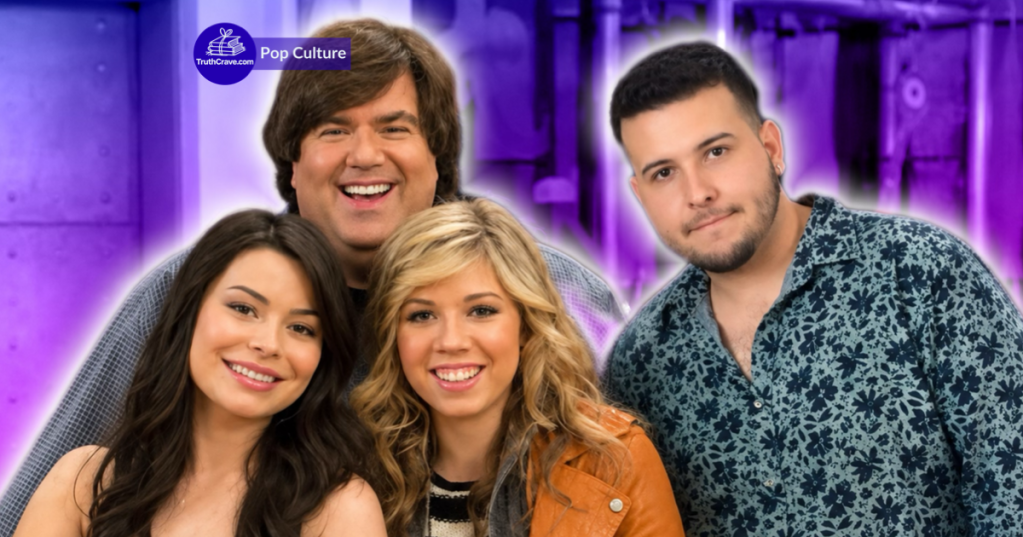
The former Nickelodeon powerhouse just lost his defamation lawsuit over Quiet on Set. But the controversy surrounding the man behind some of Nickelodeon’s biggest hits is more complicated than a simple villain-versus-victim story.
Dan Schneider’s long relationship with Nickelodeon has become one of the most chaotic stories in modern children and teen television.
Schneider was behind some of the network’s biggest hits, including All That, The Amanda Show, Drake & Josh, Zoey 101, iCarly, and Victorious. For an entire generation, his shows were practically synonymous with Nickelodeon.
Then came Quiet on Set: The Dark Side of Kids TV.
The 2024 documentary series revisited the working environment surrounding Nickelodeon’s programming and featured former performers and employees describing what they characterized as a toxic and inappropriate workplace culture. Schneider faced allegations involving verbal abuse, gender discrimination, harassment, inappropriate sexual innuendo and other behavior that former colleagues said made the workplace uncomfortable or unhealthy. Schneider has acknowledged that he made mistakes and was sometimes a bad leader, while denying that he sexually abused children.
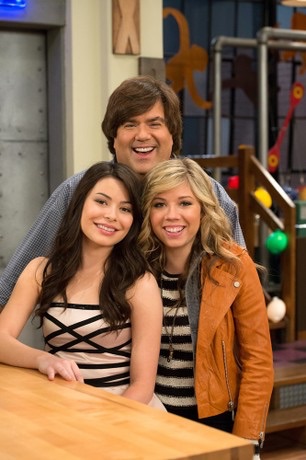
One of the most significant firsthand accounts came from Jennette McCurdy, who played Sam Puckett on iCarly. In her 2022 memoir I’m Glad My Mom Died, McCurdy described a Nickelodeon producer she called “the Creator” as controlling, intimidating and verbally abusive. She wrote that he pressured her to drink alcohol when she was 18, gave her an unsolicited shoulder massage, and made her uncomfortable with conversations and situations she felt crossed professional boundaries. She also described feeling pressured to wear revealing clothing on iCarly. McCurdy did not name Schneider directly in the book, but because he created and ran iCarly and Sam & Cat, he was widely understood to be the person she was describing. She also wrote that Nickelodeon offered her $300,000 after Sam & Cat ended if she agreed not to publicly discuss her experiences at the network—a claim she said was part of why she ultimately chose to tell her story. (Los Angeles Times)
And that distinction matters.
Schneider sued the producers of Quiet on Set, arguing that the documentary falsely implied that he had been involved in child sexual abuse committed by other people who worked in the Nickelodeon ecosystem.
On September 10, 2026, a California appellate court rejected that argument and dismissed his defamation case. The three-judge panel found that the documentary did not reasonably imply that Schneider sexually abused children. The court specifically distinguished the allegations involving Schneider—such as toxic workplace behavior, harassment and inappropriate sexual innuendo—from the child sexual abuse attributed to other named individuals in the documentary. The court also noted that an investigation by Schneider’s former employer had found inappropriate behavior but no evidence of child sexual abuse. (EW.com)
But the controversy over Schneider’s work goes beyond the lawsuit.
One of the reasons the conversation surrounding his shows has been so complicated is that the boundary-pushing quality of the programming wasn’t something audiences suddenly discovered because of Quiet on Set. While Victorious was airing, the show was already being discussed and reviewed as programming aimed at older kids and teens, with flirting, sexual comments and other more mature humor than viewers might expect from traditional children’s television. Contemporary reviews also commented on the show’s mature presentation. (Video Librarian)
That doesn’t mean every controversial element of Schneider’s productions was known or understood in the same way at the time. It does mean the edgy identity of these shows was not invented retroactively by the documentary.
And that brings us to the uncomfortable part of this conversation: the work was often really good.
For me personally, Victorious remains one of my favorite shows from that era. I still rewatch it today.
That’s what makes separating the work from the person so difficult.
You can acknowledge the allegations and criticize behavior that was inappropriate without pretending that the television shows themselves had no cultural impact. Schneider helped create a huge part of the childhood and adolescence of an entire generation. His shows launched or elevated the careers of performers who would go on to become major stars, and they produced characters, songs, jokes and moments that people still remember years later.
It doesn’t excuse bad workplace behavior.
And it certainly doesn’t mean that nostalgia should prevent people from listening to former performers and employees who say they had negative experiences.
But it is possible to hold two thoughts at the same time:
Dan Schneider can be held accountable for his behavior—and the shows he created can still have meant something to millions of people.
So, yes, Dan Schneider may be cancelled.
But I can’t deny it:
the man delivered some incredible projects.
And Victorious is still one of them.
 Truth Crave
Leave a comment