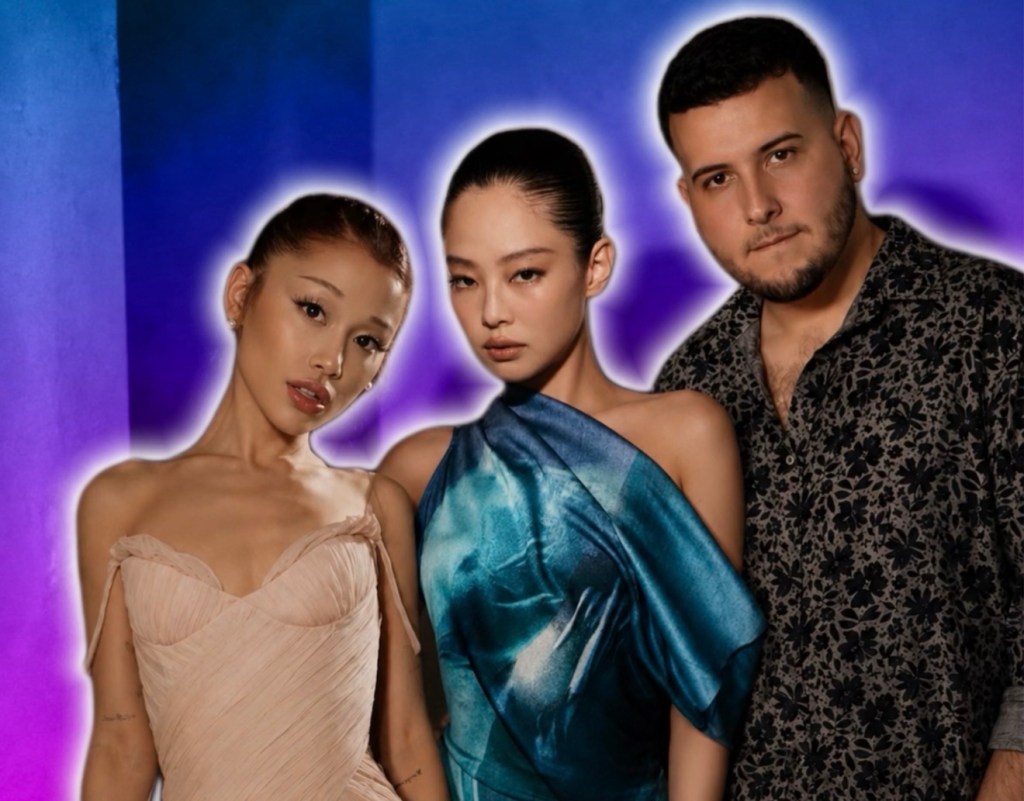
There was a time when becoming famous meant being seen.
Today, it increasingly means being watched.
The distinction matters.
For generations, celebrities have understood that public attention is part of the bargain. You release an album, make a movie, perform onstage or appear on television, and people pay attention. But social media has transformed that relationship. The audience no longer simply watches the work. It watches the person.
It watches what they eat. What they wear. Who they date. How their bodies change. How they look when they are tired. Whether they smiled enough during a performance. Whether they posted enough. Whether they disappeared for too long.
And eventually, the audience begins to believe it owns a piece of them.
That tension sits underneath the recent conversation surrounding BLACKPINK’s Jennie.
Jennie has reached the kind of global fame most artists can only dream about. She has an enormous following, a successful career with BLACKPINK, a growing solo identity and the resources to decide what kind of artist she wants to become. Yet the more successful she becomes, the more complicated that freedom appears.
In her recent conversation with Cosmopolitan, Jennie speaks about the pressure of existing under constant observation and the expectations surrounding her career. What stands out is not simply that she is uncertain about what comes next. It is that she appears increasingly comfortable with not having every answer.
That may sound ordinary.
For someone who grew up in the machinery of global celebrity, it is anything but.
There is enormous pressure on stars like Jennie to constantly demonstrate momentum. Another album. Another tour. Another campaign. Another appearance. Another viral moment. The entertainment industry rewards visibility, while social media rewards constant accessibility.
But a human being cannot indefinitely live as a content strategy.
Ariana Grande has been confronting a similar problem from a very different corner of pop culture.
In December 2024, while discussing the relentless commentary surrounding her appearance, Grande described herself as having been “a specimen in a petri dish” since she was 16 or 17. She explained that she had heard every version of what people believed was wrong with her—and that even changing herself did not make the criticism disappear. (ABC News)
The observation exposes something deeply dysfunctional about celebrity culture.
There is no winning.
If a celebrity changes, people criticize the change. If she does not change, people criticize that too. If she speaks about the scrutiny, she is accused of being too sensitive. If she remains silent, the silence becomes another thing to dissect.
In 2025, Grande went even further, telling The New York Times that learning to navigate fame had been difficult and that it had “stripped a lot of joy” from the experience for her. (E! Online)
Now, that conversation has become more than philosophical.
Grande’s representative has confirmed that she plans to step back from public-facing work after her Eternal Sunshine tour. Her representative described the break as a chance for Grande to take a “much-deserved break” from public-facing work and appearances that have brought “endless, ongoing public scrutiny.” (Reddit)
That decision should not automatically be interpreted as a publicity stunt, a career collapse or an invitation for the public to investigate her personal life even more intensely.
Perhaps the point is simpler.
She wants some of her life back.
And that is where Jennie’s story becomes part of the same conversation.
These women occupy different corners of the entertainment industry. Their careers, cultures, audiences and artistic identities are different. But both illustrate the same modern contradiction: the world demands unprecedented access to celebrities while simultaneously complaining that celebrities are too manufactured, too distant or too carefully managed.
We want authenticity—but we punish people when their authentic selves don’t match the version we imagined.
We want celebrities to be vulnerable—but then turn that vulnerability into entertainment.
We say we love them—but sometimes treat their bodies, relationships and careers as public property.
The social-media era has made this particularly intense because the audience is no longer separated from the celebrity by a magazine, television screen or concert stage. Instagram creates the illusion of intimacy. TikTok creates the illusion of friendship. Comment sections create the illusion that celebrities are participants in a conversation with every individual viewer.
They aren’t.
A follower is not a relationship.
A view is not consent.
And public interest does not eliminate someone’s right to boundaries.
This does not mean celebrities should be immune from criticism. They are public figures, and their work can—and should—be analyzed. Artists can be challenged. Industries can be scrutinized. Powerful people should not be protected from legitimate accountability simply because they are famous.
But there is a difference between accountability and entitlement.
That distinction is becoming increasingly difficult for celebrity culture to maintain.
Jennie does not owe the world a perfectly mapped-out future.
Ariana Grande does not owe the public unlimited access to her life.
And neither owes an audience a version of herself designed to make everyone else comfortable.
Perhaps the next evolution of celebrity culture will not be about who can become the biggest star.
Perhaps it will be about who can remain a person after becoming one.
Because fame should be an opportunity to share your work with the world—not a contract surrendering your entire existence to it.
And sometimes the most powerful thing a celebrity can say is not another song, interview or Instagram post.
It is simply:
You don’t get all of me.


Leave a Reply